
Creating a book title may seem simple at first, but it often becomes one of the hardest parts of writing a book.
A title is more than just a few words on the cover it’s the first impression readers get before they even open the first page.
A strong title can spark curiosity, build emotion, and help your book stand out in a crowded market 😊
Whether you’re writing fiction, nonfiction, a memoir, or even a children’s book, the title plays a major role in attracting attention.
Think about your favorite books for a moment. Chances are, many of their titles are easy to remember, emotionally engaging, or instantly intriguing.
That’s the power of a well-crafted title.
The good news is that you don’t need to be a marketing expert to create one.
With the right strategies, brainstorming techniques, and creative mindset, you can develop a title that fits your story perfectly while also appealing to readers and search engines alike ✨
In this guide, you’ll learn practical tips to create memorable book titles, avoid common mistakes, and discover how successful authors come up with names that leave a lasting impact 📖
🌟 Why a Book Title Matters More Than You Think 🌟
- 😊 A title creates the first impression readers have of your book 😊
- 📚 It helps communicate the tone, genre, and theme quickly 📚
- ✨ Strong titles increase curiosity and improve click-through rates online ✨
- 💡 A memorable title can help readers recommend your book to others 💡
- 🎯 Good titles support branding and marketing efforts naturally 🎯
✍️ Start With Your Book’s Main Theme ✍️
- 🌈 Think about the central message or emotion of your story 🌈
- 📖 Focus on what readers should feel after reading the book 📖
- 💭 Write down keywords connected to your plot or topic 💭
- 🧠 Identify recurring symbols, locations, or character traits 🧠
- ✨ Use these ideas as inspiration for possible title concepts ✨
📚 Understand Your Genre Before Choosing a Title 📚
- 🔍 Different genres often follow different title styles 🔍
- ❤️ Romance titles usually sound emotional or dreamy ❤️
- 👻 Thriller titles often create mystery and tension 👻
- 🚀 Science fiction titles may feel futuristic or imaginative 🚀
- 😊 Nonfiction titles typically promise value or solutions 😊
🎨 Use Simple and Memorable Words 🎨
- ✨ Short titles are often easier to remember ✨
- 📖 Avoid overly complicated or confusing language 📖
- 💡 Use words that are easy to pronounce and spell 💡
- 😊 Clear titles help readers recognize your book instantly 😊
- 🎯 Simplicity can make a title more powerful and timeless 🎯
💭 Brainstorm Multiple Ideas Before Deciding 💭
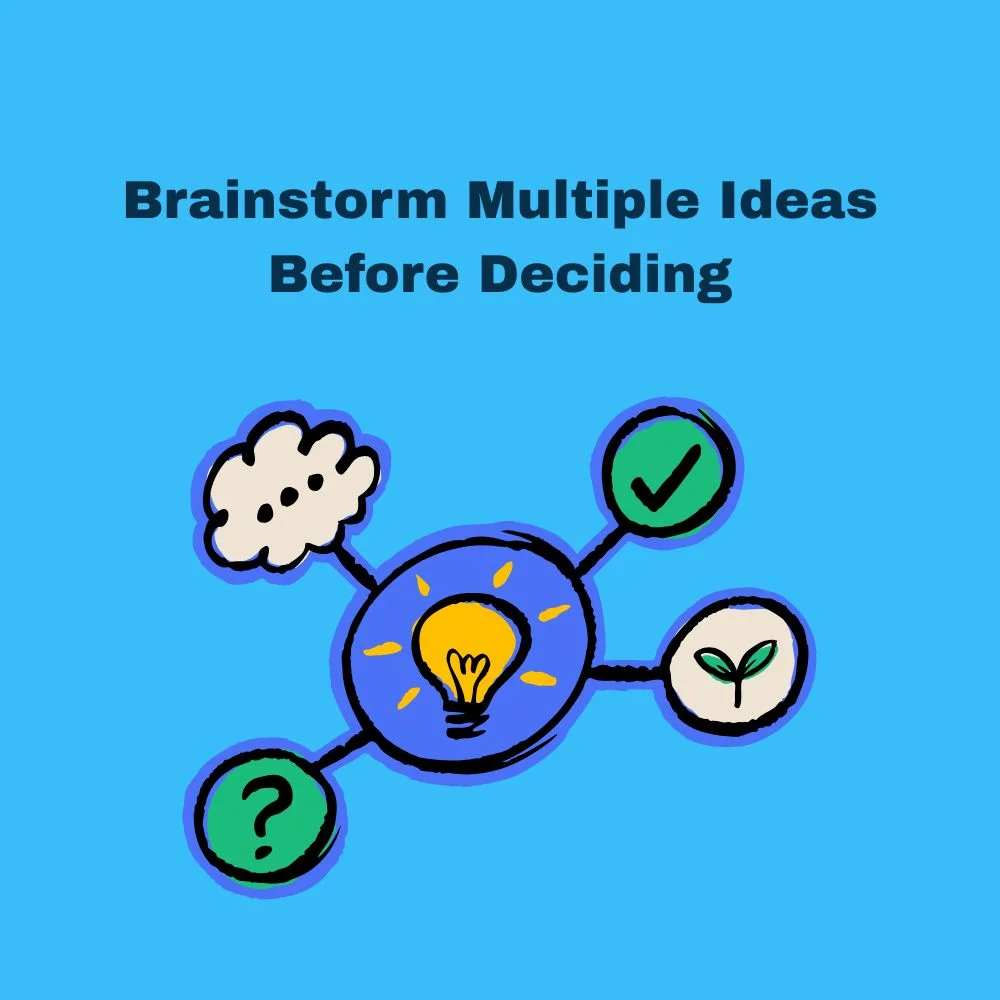
- 📝 Write down every idea without judging it first 📝
- 🎯 Experiment with different word combinations 🎯
- 📚 Try using phrases from your story or manuscript 📚
- ✨ Mix emotional words with descriptive terms ✨
- 😊 The best title often appears after many rough ideas 😊
🔥 Create Curiosity Without Revealing Everything 🔥
- 👀 A good title encourages readers to learn more 👀
- ✨ Leave a small sense of mystery or intrigue ✨
- 📖 Avoid explaining the entire plot in the title 📖
- 💡 Use emotionally powerful words that spark imagination 💡
- 🎯 Curiosity can significantly improve reader interest 🎯
🎯 Match the Tone of Your Story 🎯
- 😊 Funny books should have playful or lighthearted titles 😊
- 🌧️ Emotional stories may benefit from softer wording 🌧️
- 👻 Dark thrillers often use dramatic or suspenseful phrases 👻
- 📚 Educational books should sound informative and clear 📚
- ✨ Readers should sense the mood immediately ✨
📖 Consider Using Subtitles for Clarity 📖
- 💡 Subtitles work especially well for nonfiction books 💡
- 🎯 They help explain what the book is about quickly 🎯
- 📚 A subtitle can improve discoverability in search engines 📚
- 😊 Keep subtitles informative but concise 😊
- ✨ Combine creativity with clarity for better impact ✨
🌈 Draw Inspiration From Popular Book Titles 🌈
- 📖 Explore bestselling books in your genre for ideas 📖
- 🔍 Notice patterns in wording and style 🔍
- 😊 Learn what makes certain titles memorable 😊
- ✨ Avoid copying existing titles directly ✨
- 💡 Use inspiration to develop your own original approach 💡
🚫 Common Mistakes to Avoid 🚫
- ❌ Choosing titles that are too long or confusing ❌
- ⚠️ Using difficult words readers can’t remember ⚠️
- 📚 Picking a title unrelated to the actual story 📚
- 🔍 Ignoring genre expectations and audience interests 🔍
- 😊 Rushing the process without proper brainstorming 😊
💻 Check Online Searchability and Availability 💻
- 🔎 Search online to see if similar titles already exist 🔎
- 📖 Look for duplicate titles in your genre 📖
- 🎯 Unique titles are easier to market and rank online 🎯
- 😊 Consider domain name and social media availability 😊
- ✨ Distinct titles help your book stand out naturally ✨
🧠 Test Your Title With Other Readers 🧠
- 😊 Ask friends or beta readers for honest feedback 😊
- 📚 Notice which titles people remember most easily 📚
- 💡 Pay attention to emotional reactions and curiosity 💡
- 🎯 Small feedback can lead to major improvements 🎯
- ✨ Fresh perspectives often reveal stronger title options ✨
📱 Think About Marketing and Cover Design 📱
- 🎨 Some titles look better visually on book covers 🎨
- 📚 Shorter titles often fit designs more effectively 📚
- 😊 A strong title works well on social media and ads 😊
- ✨ Readability matters for thumbnails and mobile screens ✨
- 🎯 Marketing becomes easier with a visually appealing title 🎯
🌟 Famous Examples of Strong Book Titles 🌟
- 📖 Titles like The Great Gatsby feel elegant and memorable 📖
- 👻 Gone Girl creates instant curiosity and suspense 👻
- ❤️ Pride and Prejudice clearly reflects emotional themes ❤️
- 🚀 Dune proves even a single-word title can become iconic 🚀
- 😊 Great titles often combine simplicity with emotion 😊
✨ Conclusion ✨
Writing a strong book title takes creativity, patience, and a little experimentation.
While it may feel challenging at first, the process becomes much easier when you focus on your book’s theme, audience, and emotional impact.
A title doesn’t need to be overly clever or complicated to succeed.
In fact, many unforgettable titles are surprisingly simple 😊
The best book titles often create curiosity, match the tone of the story, and stay memorable long after someone sees them.
By brainstorming multiple ideas, testing them with readers, and keeping clarity in mind, you can create a title that truly represents your work.
Remember that your title is part of your book’s identity.
It appears on the cover, in online searches, in marketing campaigns, and in readers’ recommendations.
Taking extra time to refine it is always worth the effort 📚
Most importantly, trust your creativity. Every successful author once struggled to name their book too.
With practice and thoughtful planning, you can create a title that captures attention, connects emotionally with readers, and gives your book the strong beginning it deserves ✨

