

Learning cursive writing can feel both exciting and challenging, especially when it comes to mastering elegant uppercase letters.
One letter that often catches learners off guard is the capital “J.”
Its graceful loops and flowing curves make it beautiful, but it can also take a little practice to perfect 😊
Whether you’re a student improving handwriting, a parent helping a child, or simply someone who enjoys calligraphy and neat penmanship, learning how to write a capital J in cursive is a valuable skill.
The good news is that it’s much easier once you understand the basic strokes and movement of the pen.
Cursive writing not only improves handwriting style but can also help with hand coordination, memory, and creativity.
Plus, beautifully written cursive letters add a personal touch to notes, cards, journals, and signatures ✍️
In this guide, you’ll learn simple techniques, common mistakes to avoid, practice tips, and easy steps to confidently write a smooth and stylish capital J in cursive.
Let’s get started and make your handwriting look more polished and elegant 🌟
✨ Understanding the Shape of a Capital J ✨
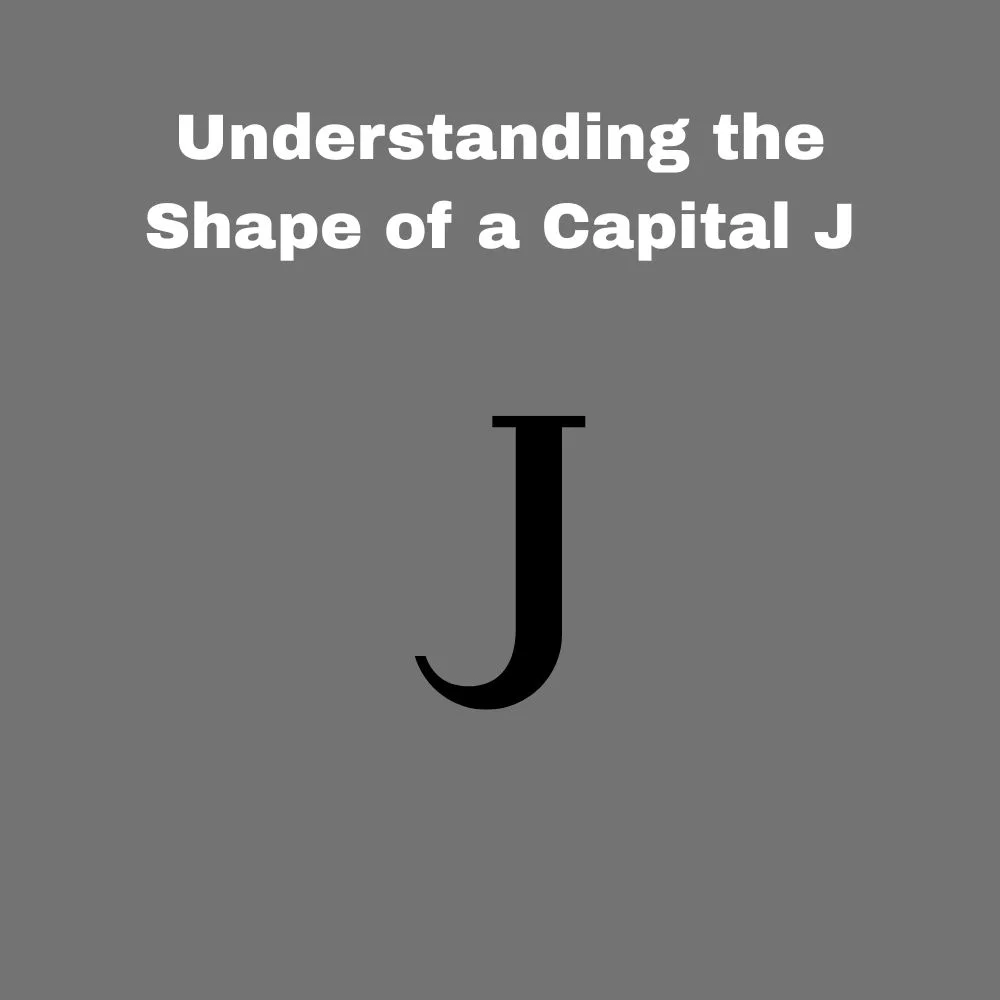
- ✍️ A cursive capital J usually starts with an upward stroke before curving downward smoothly ✍️
- 😊 The letter often extends below the writing line with a soft loop for elegance 😊
- 🌟 Different cursive styles may slightly change the appearance of the letter 🌟
- 🖋️ Traditional cursive focuses on smooth flow and connected strokes 🖋️
- 📚 Practicing the shape slowly helps improve muscle memory 📚
🖊️ Step-by-Step Guide to Writing a Capital J 🖊️
- ✨ Begin slightly above the top writing line with a gentle upward curve ✨
- ✍️ Curve downward in a tall stroke similar to a lowercase “f” ✍️
- 😊 Extend the stroke below the baseline to create a loop 😊
- 🌟 Bring the line back upward smoothly toward the center 🌟
- 🖋️ Finish with a soft curve or connecting tail depending on your cursive style 🖋️
🌈 Best Techniques for Smooth Cursive Writing 🌈
- ✍️ Hold the pen lightly to maintain fluid movement ✍️
- 😊 Keep your wrist relaxed while writing 😊
- 🌟 Practice slow strokes before increasing speed 🌟
- 🖊️ Use lined paper to maintain consistent letter height 🖊️
- 📚 Focus on rhythm and flow instead of rushing 📚
📝 Common Mistakes to Avoid While Writing a Capital J 📝
- ❌ Making the loop too large can reduce readability ❌
- ✍️ Pressing too hard may create shaky lines ✍️
- 😊 Uneven curves can make the letter look unbalanced 😊
- 🌟 Starting too low may distort the letter’s shape 🌟
- 🖋️ Writing too quickly often reduces neatness 🖋️
🎨 Differences Between Print J and Cursive J 🎨
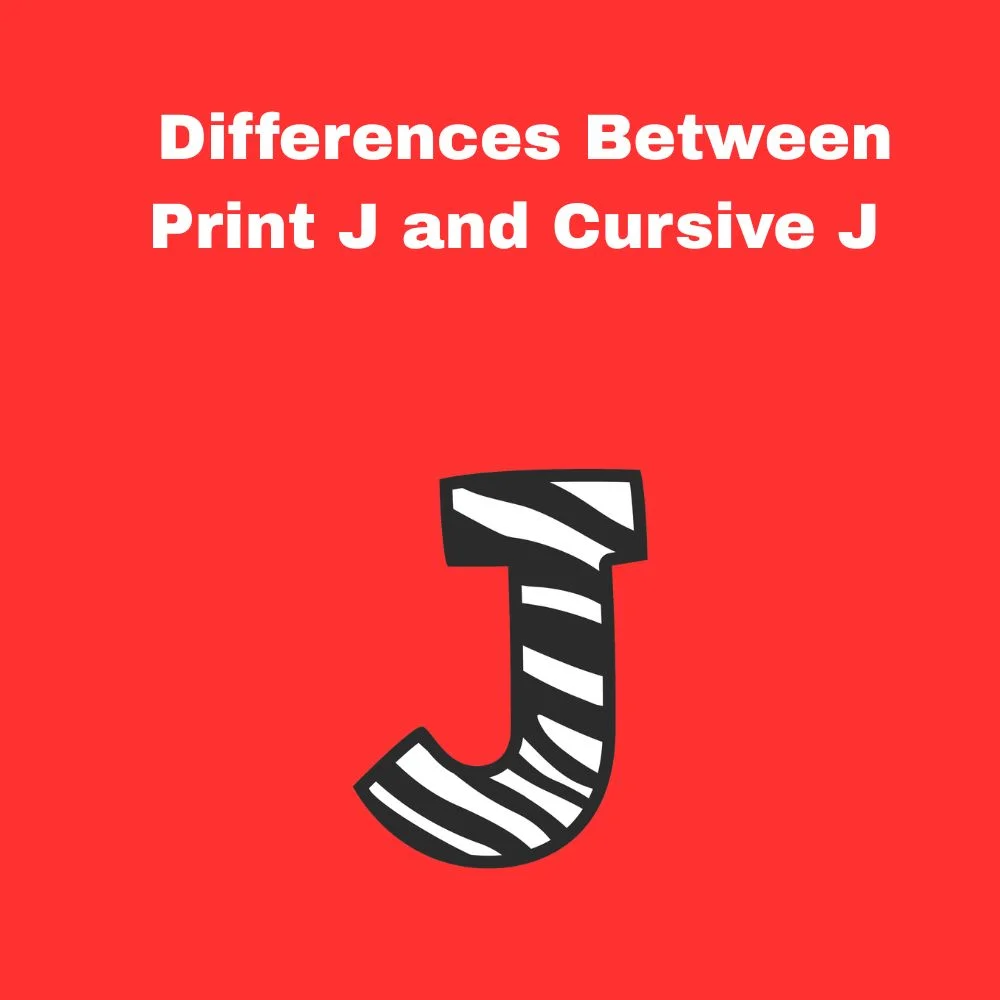
- ✍️ A printed capital J is usually simple and straight ✍️
- 😊 A cursive capital J includes loops and flowing strokes 😊
- 🌟 Cursive letters are designed to connect naturally with other letters 🌟
- 🖊️ The cursive style adds elegance and personality to handwriting 🖊️
- 📚 Print writing focuses more on clarity than artistic flow 📚
🌟 Helpful Practice Tips for Beginners 🌟
- ✍️ Trace cursive worksheets before freehand practice ✍️
- 😊 Practice for a few minutes daily instead of long sessions 😊
- 🖊️ Use pencils first for easier corrections 🖊️
- 🌈 Watch handwriting examples to understand stroke direction 🌈
- 📚 Repeat the letter several times to build confidence 📚
🖋️ Tools That Can Improve Your Cursive Writing 🖋️
- ✨ Smooth gel pens can help create flowing strokes ✨
- 📚 Handwriting practice books provide structured learning 📚
- 😊 Lined notebooks improve spacing consistency 😊
- 🖊️ Fountain pens can make cursive look more elegant 🖊️
- 🌟 Printable worksheets are useful for beginners 🌟
💡 Why Learning Cursive Still Matters Today 💡
- ✍️ Cursive writing improves hand-eye coordination ✍️
- 😊 It encourages creativity and personal expression 😊
- 🌟 Handwritten notes often feel more meaningful 🌟
- 📚 Many signatures still rely on cursive writing 📚
- 🖋️ Learning cursive can strengthen fine motor skills 🖋️
🎯 Easy Ways to Make Your Capital J Look Better 🎯
- ✨ Keep your loops balanced and smooth ✨
- 😊 Maintain even spacing between letters 😊
- 🖊️ Practice consistent slant and size 🖊️
- 🌈 Experiment with different cursive styles 🌈
- 📚 Review your writing regularly to spot improvements 📚
Conclusion
Mastering the cursive capital J may seem tricky at first, but with patience and regular practice, it becomes much easier and more natural ✍️
The key is to focus on smooth strokes, balanced loops, and steady hand movement rather than trying to write perfectly right away.
Like any handwriting skill, improvement comes gradually through repetition and consistency.
Learning cursive writing is about more than simply forming letters. It adds personality, elegance, and creativity to your handwriting.
A beautifully written capital J can make journals, schoolwork, invitations, and signatures look more polished and expressive 😊
Remember that everyone develops their own writing style over time. Don’t worry if your first attempts are not perfect.
Continue practicing slowly, use proper writing tools, and pay attention to spacing and flow. Small improvements each day can lead to noticeable progress.
Whether you are learning cursive for school, artistic handwriting, or personal growth, practicing the capital J is a great step toward improving overall penmanship.
Keep practicing, stay patient, and enjoy the creative process. With time and confidence, your cursive writing can become both stylish and effortless 🌟

