

Writing a children’s book is one of the most rewarding creative journeys you can take.
Whether you dream of creating magical bedtime stories, funny adventures, or meaningful lessons for young readers, the process can be both exciting and challenging 😊
Children’s books may look simple on the surface, but crafting a story that captures a child’s imagination requires creativity, structure, and heart.
The best children’s books are memorable because they connect emotionally with kids while also entertaining them.
From lovable characters to engaging illustrations and age-appropriate language, every detail matters.
Parents, teachers, and young readers all look for stories that are fun, educational, and easy to follow.
If you have an idea sitting in your notebook or imagination, now is the perfect time to bring it to life ✨ You don’t need to be a professional author to start.
With the right planning, storytelling techniques, and understanding of your audience, you can create a book children will enjoy again and again.
This guide will walk you through everything you need to know about writing a successful children’s book in a simple and beginner-friendly way 📖🌈
🌟 Understand Your Target Age Group 🌟

Before writing your story, decide which age group you want to write for. Children’s books vary greatly depending on the reader’s age.
- 😊 Picture books are ideal for ages 3–7 and rely heavily on illustrations 😊
- 📚 Early reader books work best for ages 5–9 with simple vocabulary 📚
- 🚀 Chapter books target ages 7–12 with longer plots and more detail 🚀
- 🎨 Young adult books focus on teens and deeper emotional themes 🎨
Understanding your audience helps shape your writing style, vocabulary, story length, and overall tone.
✨ Create a Fun and Simple Story Idea ✨
Children connect with stories that are imaginative, relatable, and easy to follow.
- 🐻 Use everyday situations with a creative twist 🐻
- 🌈 Include adventure, friendship, or problem-solving themes 🌈
- 🎭 Focus on one central message or lesson 🎭
- 🚂 Keep the plot simple but engaging for young minds 🚂
A strong idea does not need to be complicated. Sometimes the simplest stories become the most beloved classics.
🧸 Build Memorable Characters Kids Can Love 🧸
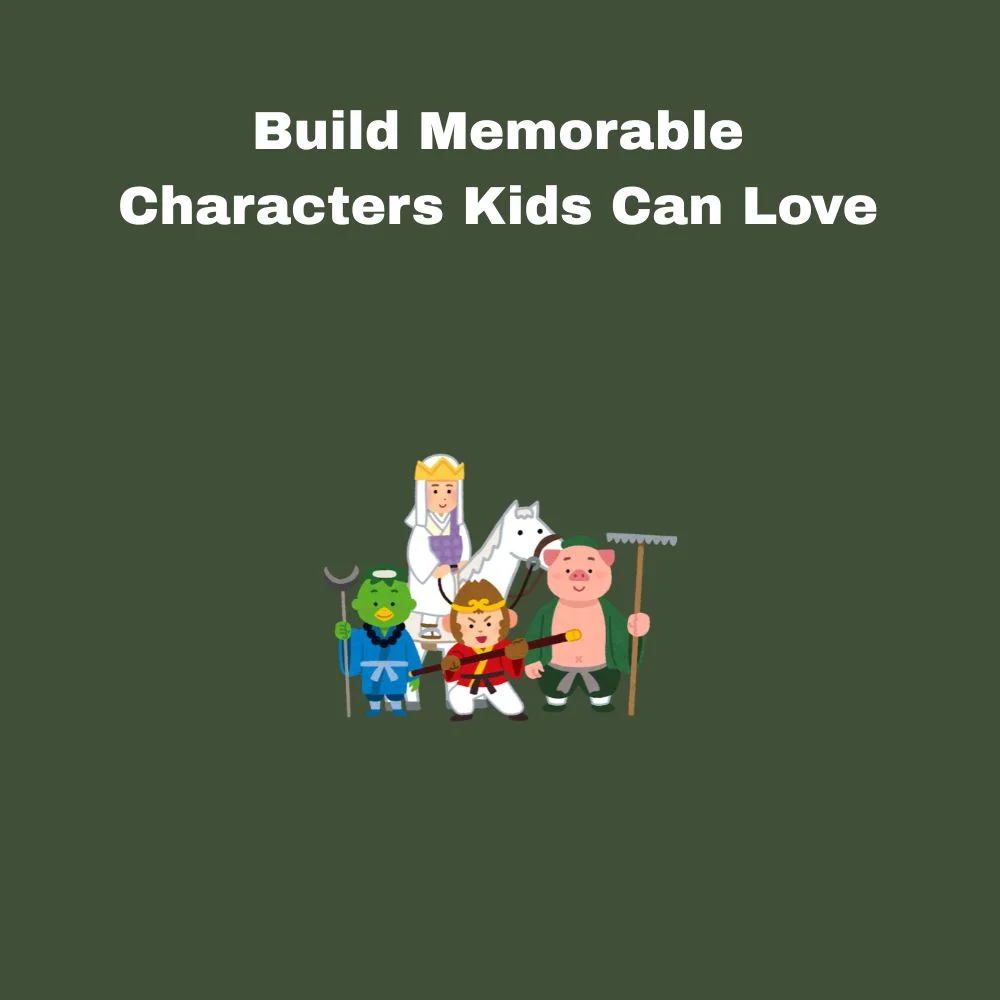
Characters are often the heart of a children’s book. Young readers enjoy characters who are funny, brave, curious, or relatable.
- 🐶 Give your main character a unique personality 🐶
- 😄 Add small flaws to make them realistic and lovable 😄
- 🌟 Use clear motivations and simple goals 🌟
- 🦊 Consider using animals, fantasy creatures, or imaginative heroes 🦊
Children enjoy following characters they can emotionally connect with throughout the story.
📖 Keep the Language Clear and Easy 📖
Children’s books should be easy to understand without sounding boring.
- ✏️ Use short sentences and simple words ✏️
- 🎈 Avoid overly complex descriptions 🎈
- 📚 Read your writing aloud to test the flow 📚
- 😊 Make dialogue natural and playful 😊
Simple writing does not mean weak writing. Clarity helps children stay engaged and enjoy the story more.
🎨 Include Strong Visual Elements 🎨

Illustrations play a huge role in many children’s books, especially picture books.
- 🖍️ Think about scenes that would look exciting visually 🖍️
- 🌟 Leave room for illustrations to help tell the story 🌟
- 🐾 Use vivid settings and colorful imagery 🐾
- 📸 Keep descriptions visual and imaginative 📸
Even if you are not an illustrator, planning visual moments improves storytelling quality.
💡 Focus on Emotion and Imagination 💡
Children remember stories that make them feel something meaningful.
- ❤️ Add moments of joy, wonder, or kindness ❤️
- 🌙 Create magical or imaginative experiences 🌙
- 🤝 Show friendship, courage, and empathy 🤝
- 😊 Use humor to keep the story entertaining 😊
Emotional connection is what makes children ask to hear a story again and again.
✍️ Create a Strong Beginning ✍️
The opening pages should grab attention immediately.
- 🚀 Start with action, curiosity, or a fun problem 🚀
- 🎭 Introduce the main character quickly 🎭
- 📚 Avoid long explanations at the start 📚
- ✨ Make readers curious about what happens next ✨
A strong opening encourages both children and parents to keep reading.
🌈 Add Repetition and Rhythm 🌈
Young children especially enjoy repetition because it helps them follow along.
- 🎵 Use rhythmic phrases or repeated lines 🎵
- 📖 Add predictable patterns children can remember 📖
- 😊 Include playful sounds and word choices 😊
- 🌟 Make the reading experience interactive 🌟
This technique works particularly well in bedtime stories and picture books.
🧠 Teach a Lesson Without Sounding Preachy 🧠
Many children’s books include important life lessons, but subtle storytelling works best.
- 🌱 Show lessons through actions instead of lectures 🌱
- 🤝 Focus on kindness, honesty, or teamwork 🤝
- 😊 Let readers discover the message naturally 😊
- 📚 Balance education with entertainment 📚
Children enjoy stories more when they feel fun rather than instructional.
📚 Edit and Revise Carefully 📚
Good children’s books are usually rewritten several times before publication.
- ✂️ Remove unnecessary words or scenes ✂️
- 🔍 Check grammar, pacing, and clarity 🔍
- 😊 Read the story aloud to hear awkward phrases 😊
- 👨👩👧 Share it with parents, teachers, or children for feedback 👨👩👧
Editing helps make your story smoother, clearer, and more enjoyable.
🖨️ Decide Between Self-Publishing and Traditional Publishing 🖨️
After finishing your manuscript, explore your publishing options.
- 📘 Traditional publishing offers professional support and distribution 📘
- 💻 Self-publishing gives you more creative control 💻
- 🎨 Research illustrators and book formatting if self-publishing 🎨
- 📚 Learn submission guidelines before contacting publishers 📚
Both paths can lead to success depending on your goals and budget.
🌟 Promote Your Children’s Book Successfully 🌟
Marketing helps your book reach more readers and families.
- 📱 Share your journey on social media 📱
- 🎤 Attend school visits or local book events 🎤
- 🌐 Create an author website or blog 🌐
- 🎁 Offer free sample pages to attract readers 🎁
Consistent promotion can help build long-term visibility for your book.
Conclusion 🌈📚
Writing a children’s book is more than simply putting words on a page.
It’s about creating a meaningful experience that inspires imagination, laughter, curiosity, and emotional connection 😊
The stories children read during their early years often stay with them for life, which makes this type of writing incredibly powerful and rewarding.
The key to success is understanding your audience, keeping your storytelling simple yet engaging, and creating memorable characters readers genuinely care about.
Whether you want to write a playful bedtime story, an educational adventure, or a magical fantasy tale, focusing on creativity and clarity will always help your work stand out ✨
Remember that every successful author started with a single idea. You do not need perfection on your first draft.
What matters most is your willingness to keep improving, learning, and sharing your imagination with young readers.
Take time to edit your work, seek feedback, and enjoy the creative process along the way 📖
With patience, practice, and passion, you can write a children’s book that entertains, inspires, and leaves a lasting impact on generations of readers 🌟

